上一篇

India's mobile game market has developed rapidly in recent years. The most popular game types among players are casual and chicken eating (shooting) games. Its market growth potential and user preferences can be analyzed from the following perspectives: the market fundamentals are mature and the user scale is huge. The demographic dividend is significant: India has a population of 1.3 billion, including 600 million young people under the age of 25, and smartphone users exceed 500 million (70% of the memory exceeds 2G), and it is expected to cover 500 million people by 2020.
The development of chicken eating in India has not been smooth sailing. Games similar to "Survival" have been renamed twice. The first time was called The Collectables, the elite team, and the second time was it launched "Fearless and Unity: Guards"(full name "Fearless And United: Guards"), which was well received by users. This shows that India's local chicken-eating game has experienced many twists and turns in its development process, and its quality and market acceptance still need to be tested.
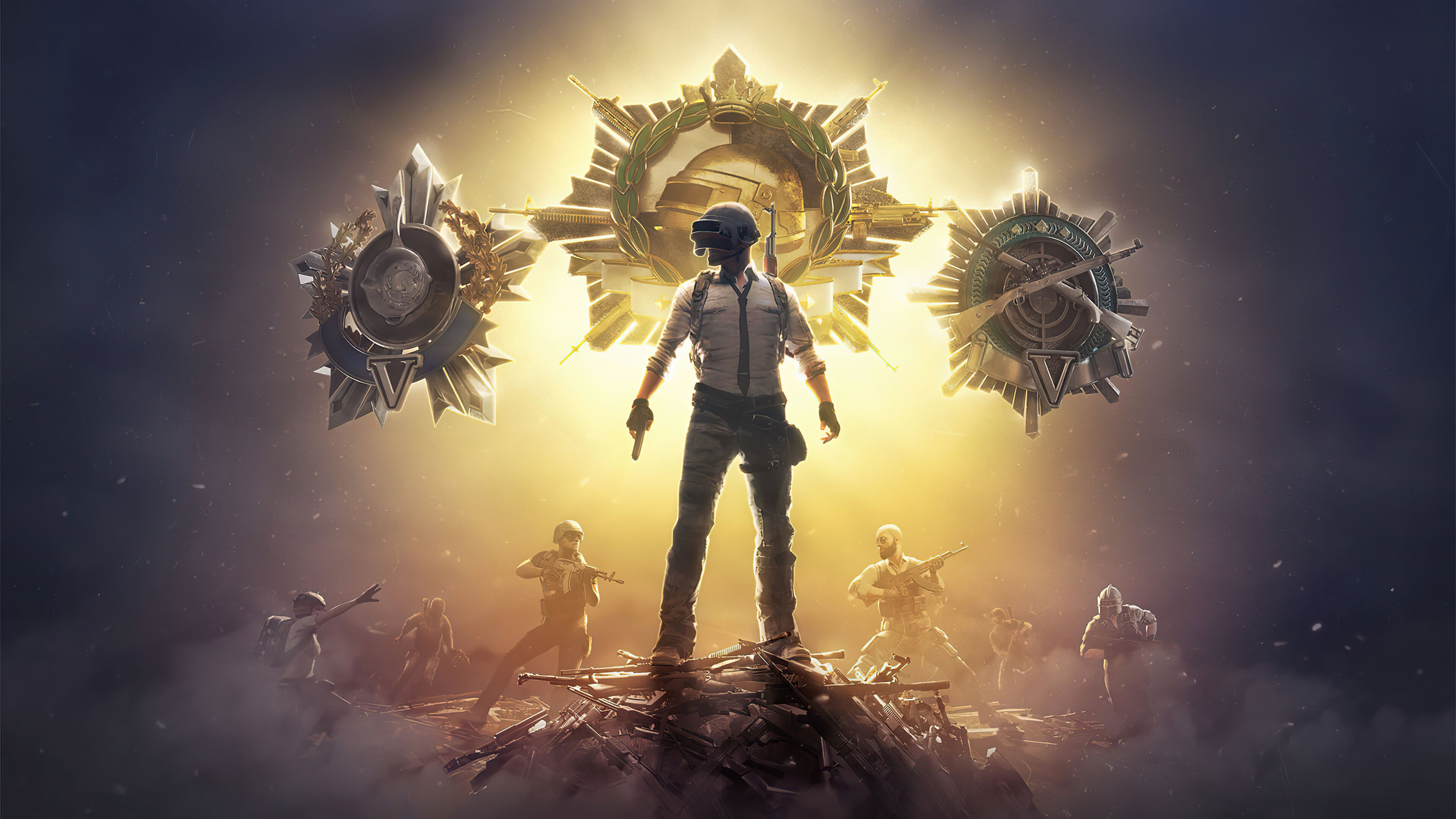
There is no copycat model of "chicken eating" mobile games in the Indian market. Both mainstream works are genuine products that are officially authorized or locally developed. The specific information is as follows: Development background of "Battlegrounds Mobile India": Published by Level Infinite, it is an official server version customized by PUBG for the Indian market. The content is synchronized with international services, but incorporates Indian cultural elements (such as character dressing, map themes).
It plans to invest US$100 million in Indian gaming, e-sports and IT ecosystems. Market challenge: In the lost 10 months, India's chicken eating mobile game market has been largely divided up by "Free Fire" and "Call of Duty Mobile Games". The Indian version of PUBG still has to face many challenges if it wants to regain the share it once belonged to it.

To go to the Indonesian mobile game market, you need to fully understand the market overview, user portraits, product preferences, traffic entrances, promotion strategies and localized operations. By accurately targeting target users, optimizing product experience, and selecting appropriate promotion channels and payment methods, we can better enter the Indonesian market and achieve business growth. I hope the above strategies can provide valuable reference for mobile game developers.
According to statistics, during the first half of 2020, the number of Chinese games that have entered the Top 200 iOS App Store &Google Play Store in various countries shows that in addition to mature markets in neighboring countries with geographical and cultural advantages in Japan and South Korea, as well as Indonesia, which have strong young people, the number of games in China is relatively prominent, and the number of games in other countries is basically not much different.
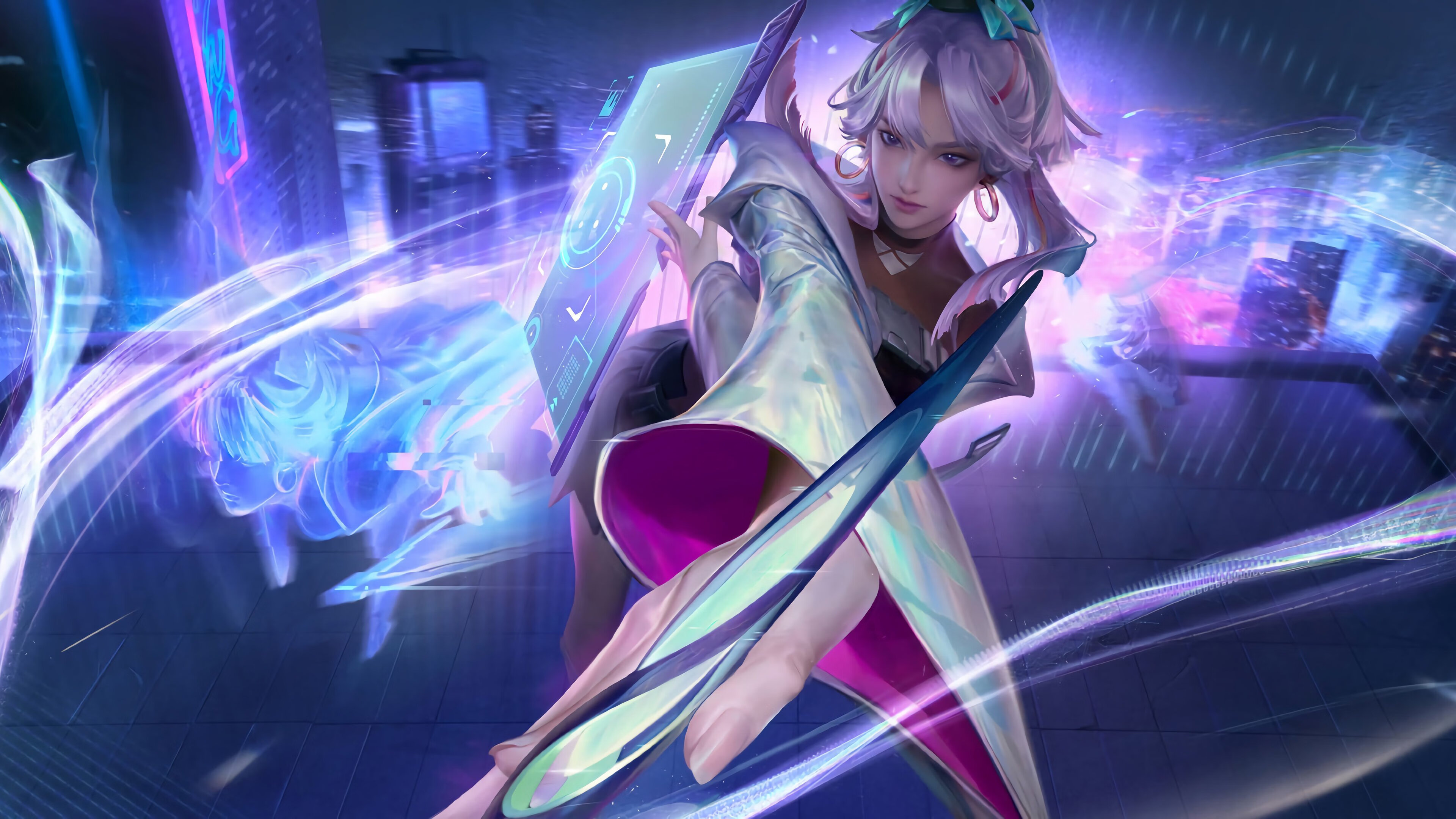
Due to the continuous upgrading of smart phone hardware, it can meet the higher requirements of mobile games operations. During this period, card and mobile games made great efforts to tap the potential of the hardware in terms of voice, music, pictures, and special effects.
Recently, according to data from market research firm SensorTower, in less than a year after its release (just 326 days), the global sales volume of "Fortnite" for the iOS version has reached US$500 million, with an average of US$1.53 million per day. The speed of attracting money is amazing. The iOS version of Fortnite is so fast that it is staggering.
Revenue growth is alarming. According to data from mobile application market research company Sensor Tower, Fortnite reached revenue of US$300 million in less than seven months after landing on iOS. This speed far exceeds many popular games of the same period.
Fortnite's revenue in April reached US$9.6 billion, and the average daily revenue of the iOS version exceeded US$1 million. Its success mainly stems from the free model, full-platform layout and e-sports ecosystem construction.

Complete Game Information:1、Who can tell me which computer confi...
Complete Game Information:1、Unlock a new realm of gaming and the...
Complete Game Information:1、GAMERS video game cafe 2、What does g...

Complete Game Information:1、Run lakka with Luban Cat 2、What does...

Complete Game Information:1、What does "VGC" mean? 2、[To all play...

Complete Game Information:1、Game lineup for Gamers8 in the world...
Complete Game Information:1、What should I do when I encounter a...
Complete Game Information:1、Recommend several websites that down...
发表评论