上一篇

Regarding the identification of authenticity of Funina Universal Studios 'card, there are three core points to pay attention to: channel source, printing details and anti-counterfeiting logo. At present, there are many imitations on the market about popular IP co-branded cards (such as the cooperation between "Original God" Funina and Universal Studios). When identifying them, multiple dimensions need to be integrated: channel source verification is usually only sold through Universal Studios in-park stores, official cooperative e-commerce platforms or authorized dealers.
For example, the dissemination of the video of the singing version of the "Funina" character during the Universal Studios joint event may indirectly trigger discussion among users in the French community, but there is no evidence of popularity data from French local media or social platforms. Differences in artist versions: There are regional differences in audience between the Chinese versions of Tan Weiwei and Shang Wenjie and the original French versions. The French version is more likely to attract the attention of European users, but there is currently no third-party information such as French music charts and media reviews.
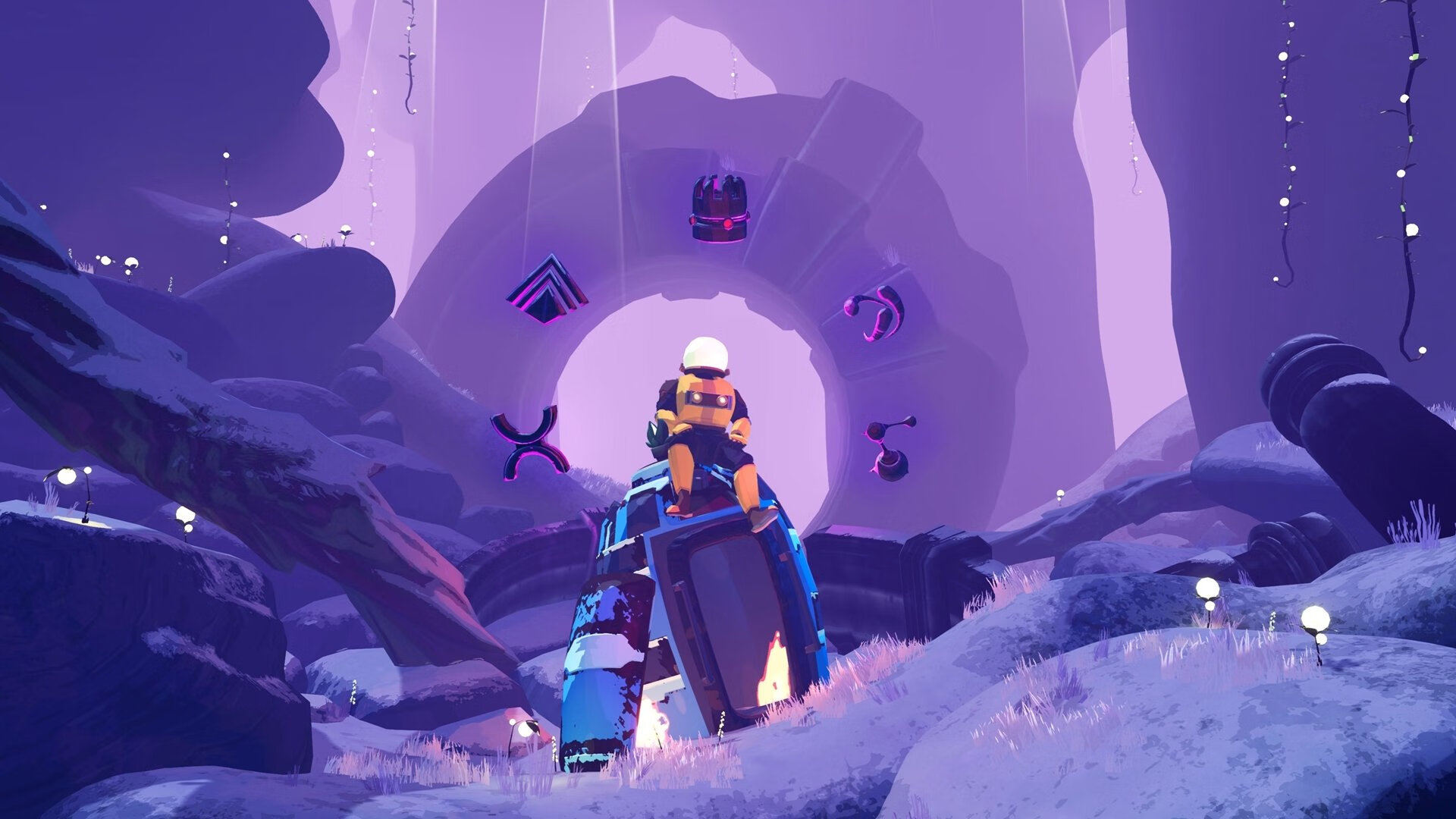

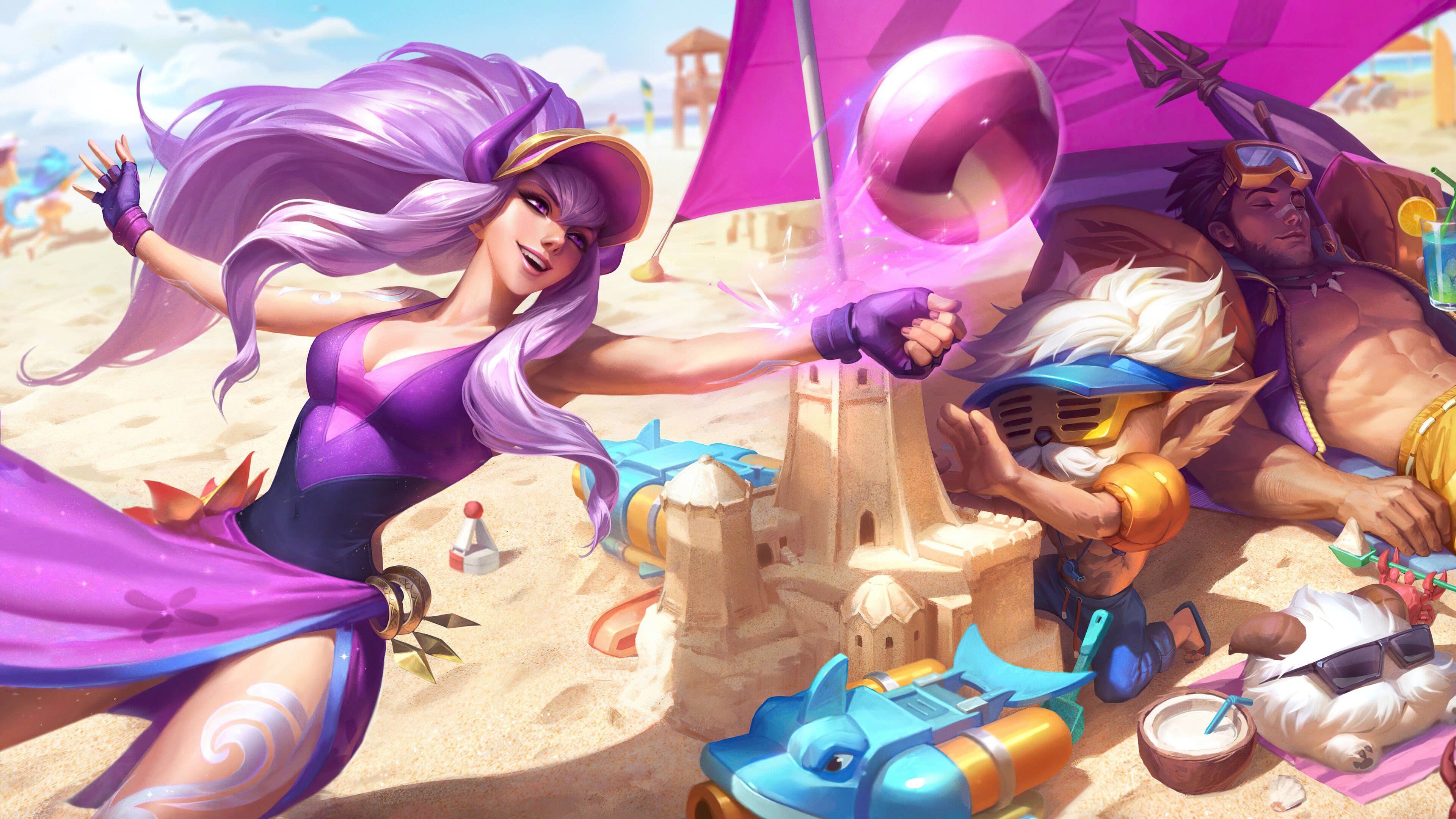
1. The "zz game" you ask about probably refers to the new book "Zenless Zone Zero" developed by HoYoverse. Because its English initials happen to be three Zs (ZZZ), and the game Logo is also composed of three "Z" symbols, players habitually use "zzz" or "zz" for convenience. This game is an action-adventure RPG with an urban setting.
2. The term zz game itself has no fixed special meaning. It is more like a abbreviation or slang word produced in the player community to facilitate communication. Its specific meaning depends entirely on the context in which it is used. In the game circle, there are two main common references for it: the name of "Absolute Zone Zero", which is probably the most mainstream usage at present.
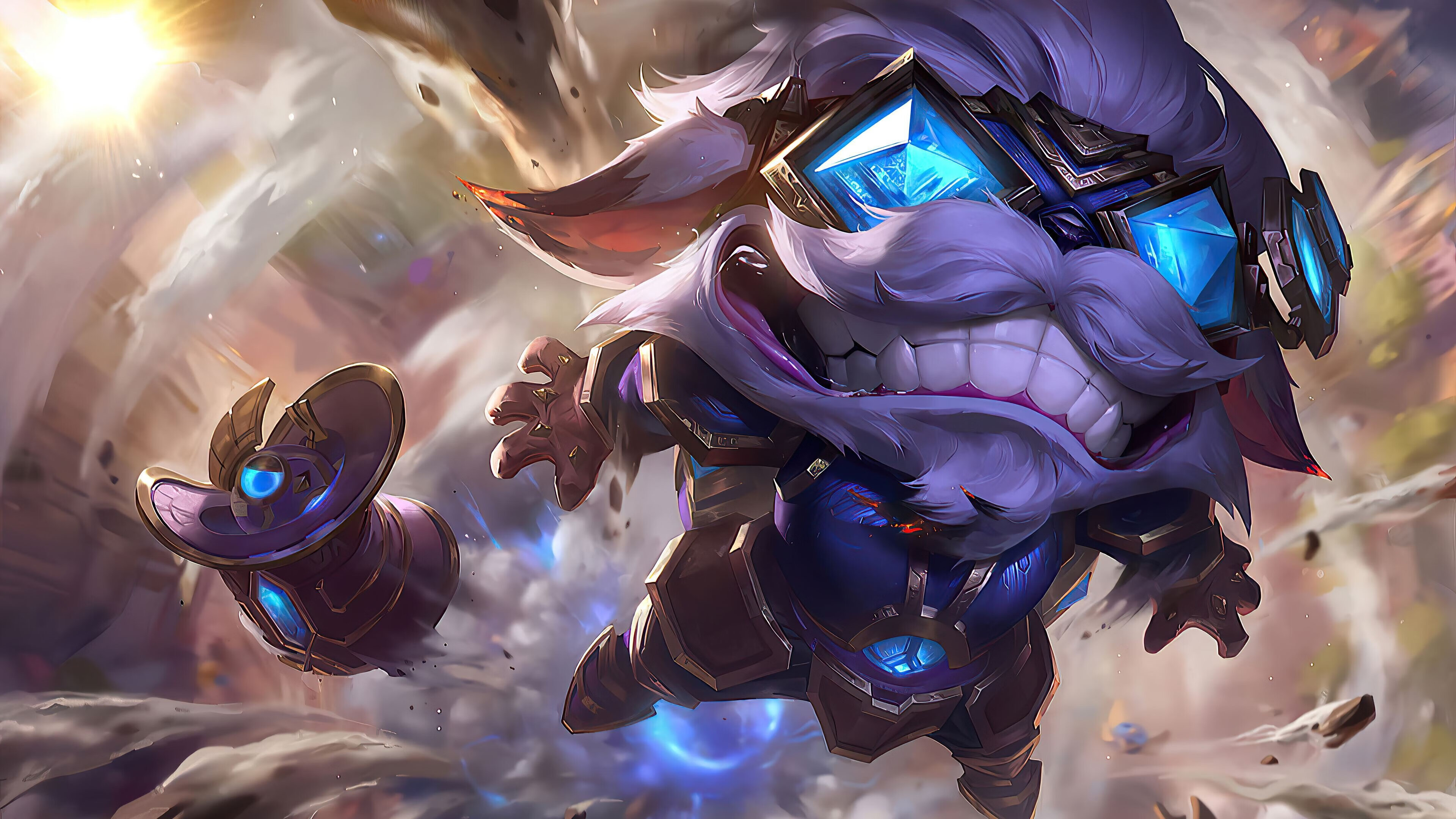
3. There are usually two possibilities for "zz games": they are either short for the popular second-dimensional action game "Desert Zero", or they are a character in the "JoJo's Wonderful Adventures" series. "Zone Zero" is a 3D action game developed by Mihayou. Because its English name "Zenless Zone Zero" is abbreviated as "ZZZ", it is affectionately referred to as "zz Game" by players.
4."zz game" is indeed an online term, but its meaning completely depends on which game or circle you are in, and there is no fixed answer. It is most often used to refer to two classic copies of World of Warcraft: Razorfen Kilds and Razorfen Downs, because their English abbreviations begin with "RF", but players prefer to use "ZZ" collectively for convenience.
MihaYou established HoYoverse to sprint into the "Metaverse" On February 14, the official accounts of many of MihaYou's games changed. The official accounts of games such as "Original God","Collapse 3", and "Undetermined Event Book" replaced the "miHoYo" logo under the Logo with "HoYoverse", and the official website link under the video introduction was also directed to the new domain name http://hoyoverse.com.
Mihayou announced the launch of the meta-universe brand HoYoverse on February 14, which aims to create an immersive virtual world experience for players around the world through entertainment services. Its business covers Montreal, Los Angeles, Singapore, Tokyo and Seoul. Brand positioning and goals HoYoverse's core positioning is to build an immersive virtual world to provide cross-platform and cross-cultural interactive experiences to global users by integrating diverse entertainment forms such as games, animation, and music.
Mihayou officially launched a new brand, HoYoverse, on February 14. By enabling the new LOGO and official website image, it has clearly stated that "creating and delivering an immersive virtual world experience" is its core goal.
Summary The establishment of HoYoverse marks the transformation of Mihayou from a game developer to a virtual world operator. Through globalization, technology integration and cross-media content ecosystem, it attempts to build an immersive virtual universe with long-term vitality. This strategy not only continues Mihayou's advantages in open world and IP operations, but also responds to the needs of users in the metaverse era for high freedom and cross-platform interaction.
Core conclusion: Tencent did not use brand logos in some businesses because of brand independence and market strategy considerations. If the "delta" in the question refers to a certain product, it may be a wrong word (such as a social software or game-related name). Some Tencent products adopt independent operation strategies. For example, early versions of WeChat also downplayed the Tencent logo to highlight the product's own characteristics.
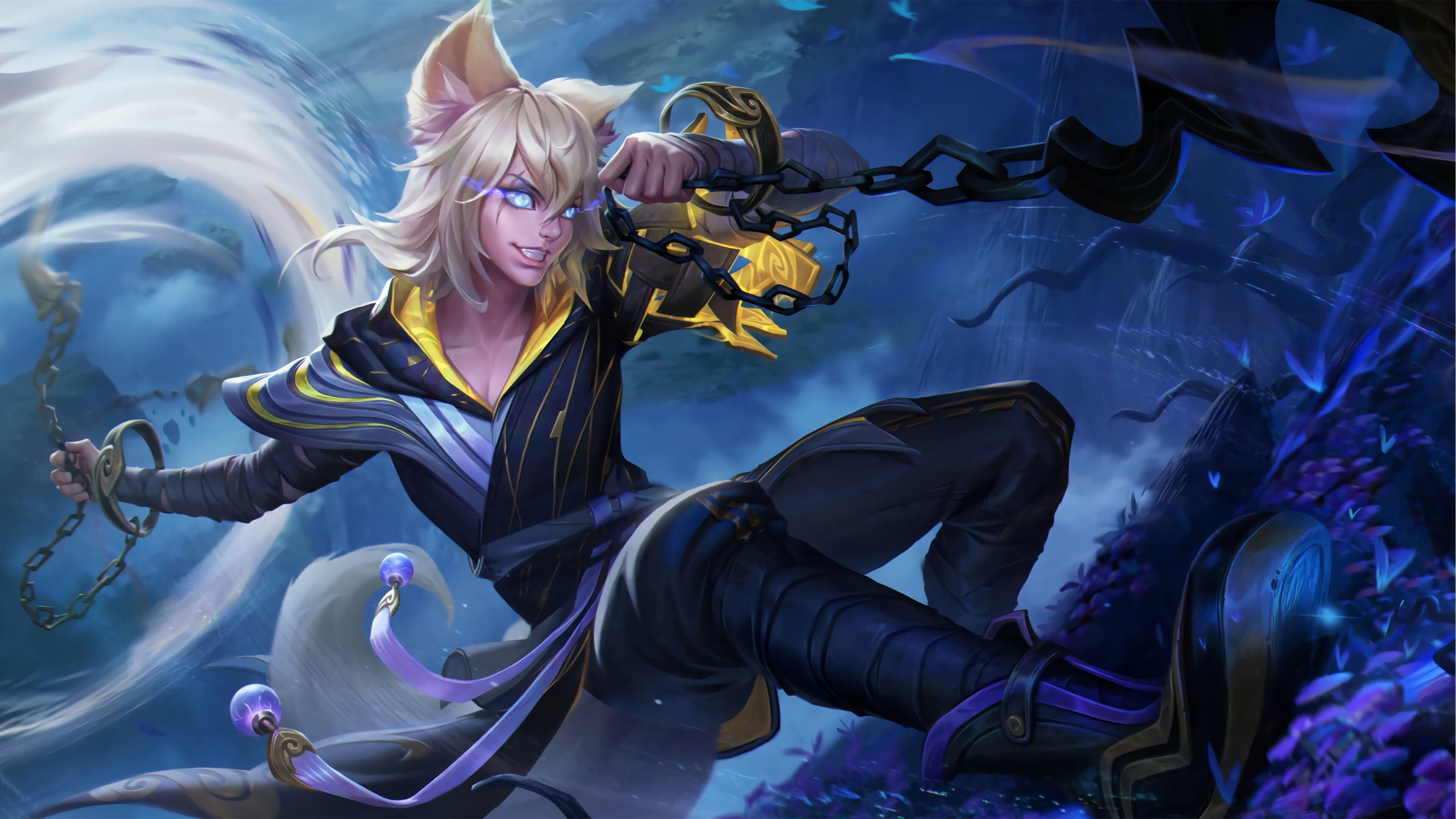
The reason why there is no Tencent Logo at present is that the game is produced by Tencent's independent studio and will retain the studio brand instead of using the parent company logo when released. Studio brand independence: "Operation Delta" was developed by Tianmei Studios Group (known as Timi Studios). Such projects usually weaken the Tencent logo and highlight the studio brand during promotion, similar to "Original God" labeling HoYoverse instead of directly using the Mihayou logo.
No matter what the meaning is,"Delta" and Tencent have no direct connection in terms of concept and actual operation.
There is no independent department called "Delta Department" under Tencent. The "Delta" you are asking about is actually the game "Delta Action" developed by Linlang Tianshang Studio under Tencent Tianmei Studio Group. The core operating entity of the studio is located in Shenzhen. The core misunderstanding about "Delta" clarifies that Tencent does not have an official organizational structure of "Delta Department". The so-called "Delta" is the game IP name, not the department code name.
Complete Game Information:1、Wait online, the original god anti-h...
Complete Game Information:1、Pokemon Opal map lost 2、Pokemon rom...
Complete Game Information:1、Uncovering the complete English name...
Complete Game Information:1、Game review of Call of Duty 11: Adva...
Complete Game Information:1、English high-level classified dictio...
Complete Game Information:1、In English, when should ing be added...
Complete Game Information:1、Is Nvidia CEO Huang Renxun's father...

Complete Game Information:1、13. What is a subordinate clause, wh...
发表评论