上一篇

Although the term OTAKU OTAKU has not been used for a long time, it has become a common term in the field of ACG (animation, comics, games). Originally, it refers to the honorific term for the second person in Japan, which is equivalent to "you","your excellency" or "fu fu", and is written in Japanese characters as "otaku".
Otaku is an online buzzword originating in Japan. It originally refers to people who are obsessed with a specific hobby, professional knowledge or brand culture. For example, anime fans, comic book fans, game fans, cartoon fans, etc. In Western countries, Otaku usually refers to young people who have a considerable love for Japanese animation culture, music, movies, games, etc.
Otaku is a Japanese word that refers to people who are extremely passionate about anime, comics, and games. The following is a detailed explanation of otaku: Origin and change in meaning: otaku originated in Japan and was originally a derogatory term used to describe people who were addicted to the second world and had low social skills.
The end of the sentence in anime magazines means a villain who kneels or is helpless; a fan refers to women who create and appreciate works of similar people;Otaku refers to people who are passionate about anime paintings, video games, models, etc.;DRAMA is a radio drama based on comics;OVA is an original animated tape.
The word OTAKU has a unique meaning in Japanese ACG culture. It originates from Japanese and was originally used as a second person, similar to a honorific title. It was really widely used when a group of Keio University graduates became associated with animation company Studio Nue in 1982. They became idols of anime fans, and Otaku became a cordial name among fellow friends.


Introduction to SuperHan Font SuperHan Font is a free commercial large-scale Chinese character font (public beta version). Its superior alternative version-Wenjin Song Style has been released, and users are recommended to choose to use it. However, the following information is still introduced for SuperHan fonts.
A set of large character sets of Song Dynasty fonts, which are mainly used for secondary development, mainly based on Chinese characters generated by Siyuan Song Dynasty and a modified version of Kage engine, has been launched, called Wenjin Song Dynasty. As a superior alternative to SuperHan, users are strongly recommended to select and stop updates to the SuperHan series. Download link: The latest version of Wenjin Song can be obtained through the link below.
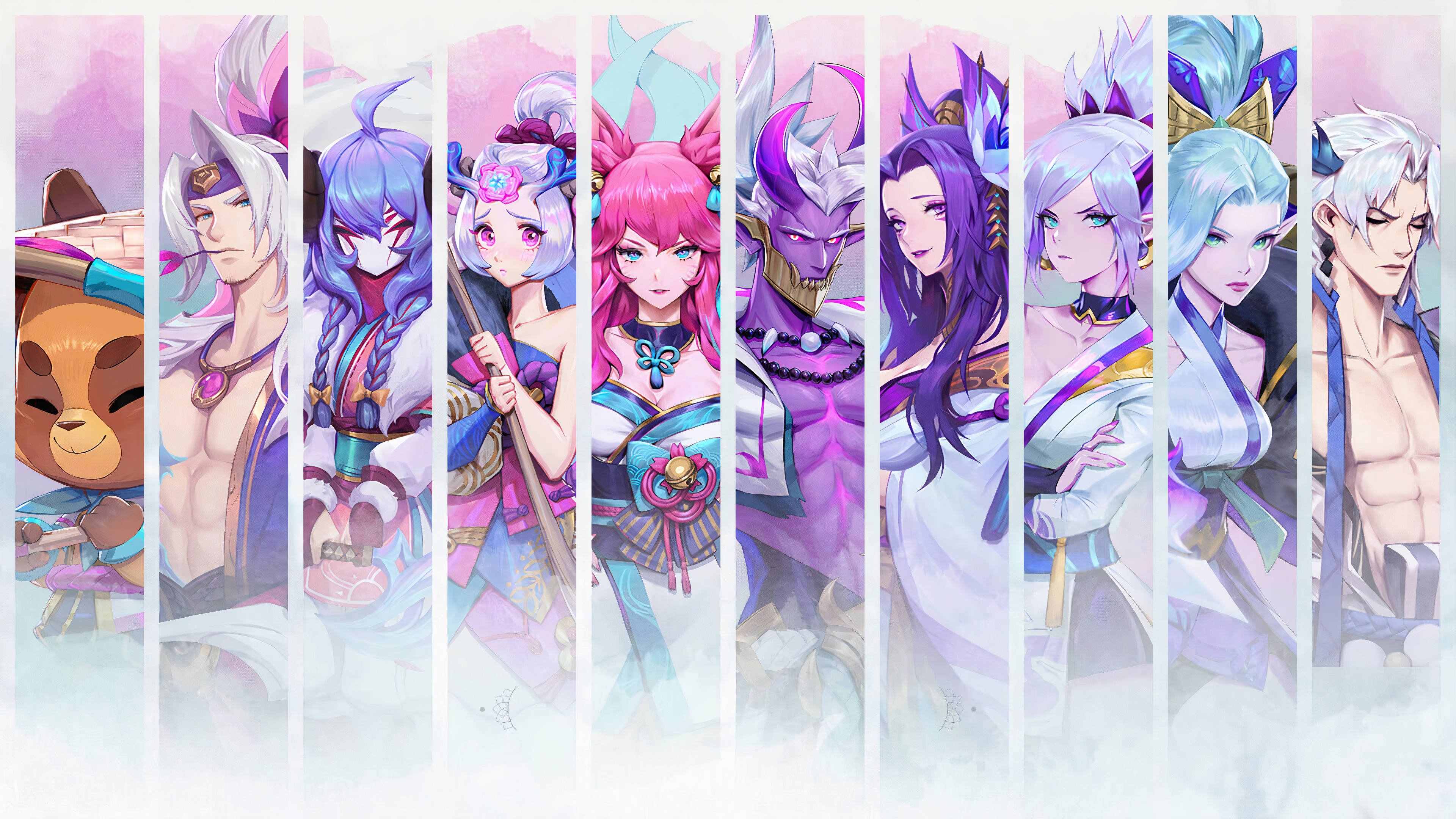
1. GK in Internet terms: In modern Internet contexts, GK may be an abbreviation, such as the pinyin abbreviation of "Gaga", or a specific term within a certain group or circle. GK in sports: In sports such as football or hockey, GK may be the abbreviation of the English "Goalkeeper" for a goalkeeper, which means that the position is responsible for defending the goal and preventing opponents from scoring goals. Technical terms for sports competitions often use abbreviations to quickly convey information.
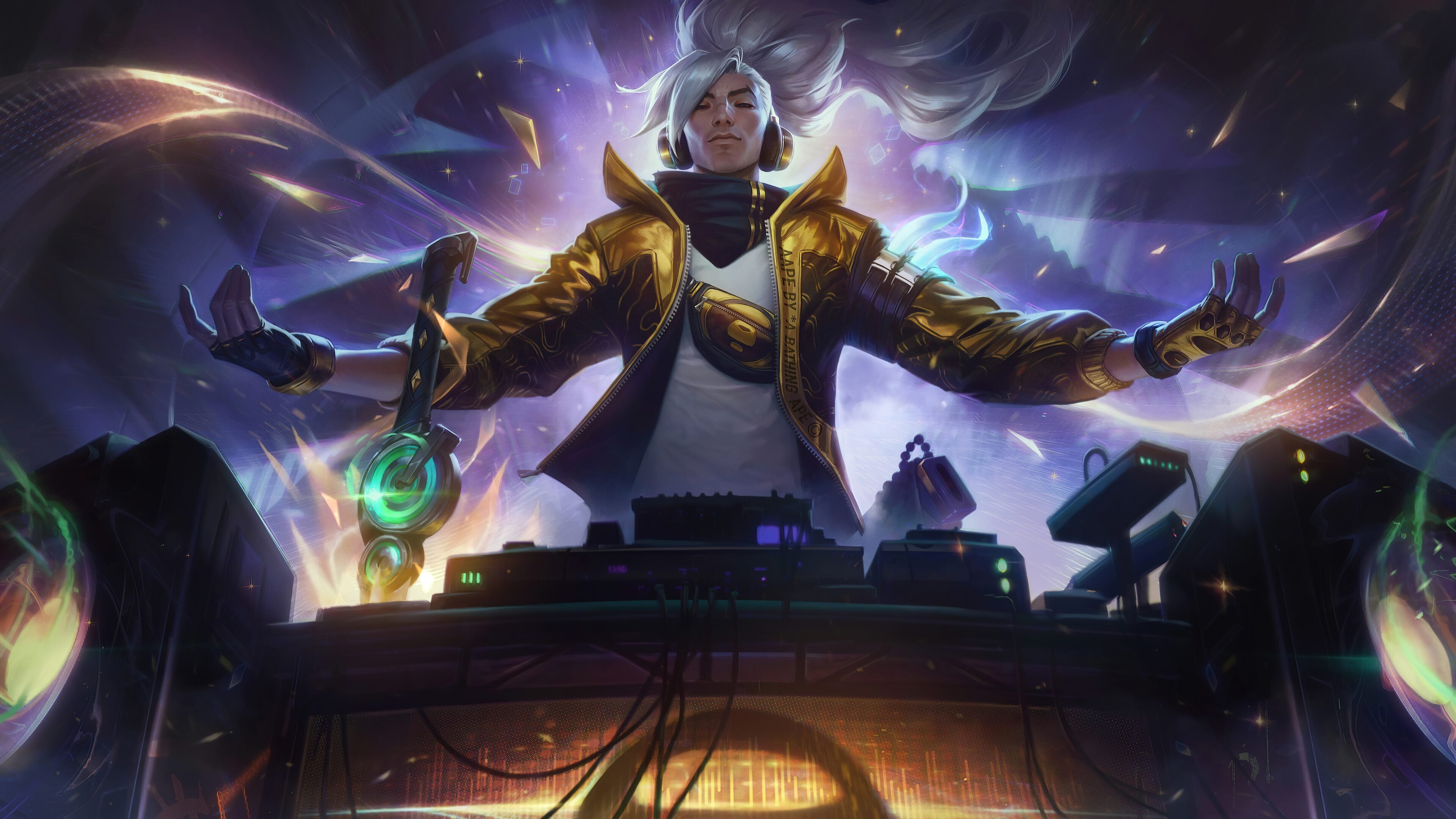
2. The Internet language gk usually refers to male high school students, corresponding to "jk"(female high school students), and is common in ACGN (animation, comics, games, novels) culture. "gk literature" refers to literary works with male high school students as the main characters, so "gk" is also used to simply refer to male high school students, which belongs to one of the "cute" attributes in the ACGN subculture.

3. GK, which means "black-bellied man" or "sinister man", refers to those men who appear gentle and gentle on the surface, but are full of tricks, scheming and undetectable on the inside. After the word GK became popular on the Internet, it became a label to describe those people's comments, comments, pursuits and other behaviors that seemed gentle and emotional, but actually contained a hidden conspiracy mentality and a strong sense of injustice. Most of the men who are considered GK are lonely and introverted people on the outside.
BL: The abbreviation of boylove, which means the beautiful friendship (love) between men. GL: The abbreviation of girllove, which means the beautiful friendship (love) between women. Attack: bl/gl predicate, which means the party representing the male role. BL/gl predicate, which means the party representing the female role. No. 0: No. 1 refers to attack, No. 0 refers to accept T: No. 1 in lesbians. P: Number 0 among lesbians.
Japanese anime term BL: Originally English is Boys Love, which refers specifically to gay men, also known as glass, gay, broken sleeve, broken back, rabbit, etc. GL: Originally English is Girls Love, which refers specifically to lesbians, also known as lily, lace, and less. BG: The original English term is Boy and Girl, which refers specifically to the pairing between men and women. CP: It refers to pairing.
OA is the abbreviation of "ON AIR", which means "in release". SP is the abbreviation of SPECIAL. Generally, something other than animation is put on DVDs. In addition, in Japanese animations, after the main story is released, a special story, that is, SP, will be released in order to make money because of the enthusiastic market response. Generally, it should be a short story that has no big connection to the main story. All of the above belong to animation terms.
Otaku (Japanese pseudonym: , Roman pronunciation: otaku) is often directly referred to as otaku, which generally refers to a special group who has knowledge of ACG (a general term for animations, comics, and games) beyond ordinary people, and is able to appreciate and play Otaku anime stills (10 photos). It is synonymous with advanced ACG enthusiasts.
OTAKU: Japanese, originally meaning "otaku". Otaku refers to a subcultural group that is crazy and enthusiastic anime, immersed in a fantasy world, and lacks normal social life experience. 9 Young teeth: Also called "amateur", it means young and not very sensible. 100. Talent: A very strong person. 10 Oppa: Women over 30 years old.

OTAKU: Japanese, originally meaning "otaku". Otaku refers to a subcultural group that is crazy and enthusiastic anime, immersed in a fantasy world, and lacks normal social life experience. Young teeth: Also called "amateur", it means young and not very sensible. 1 Talent: A very strong person. 1SF: Science Fiction, a science fiction mechanical work. 1FF: Final Fantasy, Final Fantasy. 1M0: MACROSS ZERO, Transdimensional Fortress Zero.
1. Japanese OTAKU refers to people who have great enthusiasm for other cultures such as animation, comics and computer games. Specifically: Origin and evolution: The word Otaku originally meant "your home" or "your house" in Japanese, which is a honorific term. But over time, it gradually evolved into a negative term used to describe people who are overly addicted to specific interests and ignore other aspects. However, the term has now gradually become widely accepted and has different interpretations in different cultures.
2. The word OTAKU originated from Japanese. It was originally a second-person word, equivalent to "you","your excellency" or "fu". Written in Japanese characters, it is "yu". Otaku () is the Roman pronunciation of this word. The origin of the word can be traced back to a honorific word, similar to the Chinese word "brother tai". However, over time, it gradually transformed into a disparaging term.
3. The original meaning of the word otaku (Japanese: , pronounced otaku) in Japanese refers to others, so it is often derogatory. However, with its widespread use in all walks of life, the term has gradually transformed into a neutral term, and more and more people even proudly call themselves otaku. For Japanese anime fans in Europe and the United States, the positive and negative feelings of this word vary from person to person.
4. The word OTAKU is a word used as a second person in Japanese, which is equivalent to "you","your excellency" or "fu fu". Written in Japanese characters, it means "otaku". But the origin of the real widespread use among ACG fans in Japan may have been among a group of industry people who came from Keio University around 1982. After they took office at the animation company Studio Nue, they became the objects of worship of their fellow enthusiasts.
5. OTAKU originated in Japan. In Japanese, the pronunciation of OTAKU represents the word "otaku"."otaku" is used as a second person word in Japanese, meaning "you","your excellency", and "fu". It is a polite term. However, with the trend of Japanese anime in the 1980s, the word Otaku has undergone tremendous changes.

Complete Game Information:1、Oxford 7B must write 2、Very boring,...
Complete Game Information:1、How to say playing games in English...

Complete Game Information:1、Michael What are Jackson's classic s...

Complete Game Information:1、What driver is Xigncode3? 2、How to u...
Complete Game Information:1、News from Ultimate Assassin 5!!! 2、W...

Complete Game Information:1、How to live in the crystal maze unde...
Complete Game Information:1、GenshinMap usage tutorial 2、FBEC2021...

Complete Game Information:1、What is the difference between the E...
发表评论