上一篇

1. The Jiangnan area of China is the origin of silk. It became the country's silk weaving center during the Tang and Song Dynasties, so it is also called the hometown of silk. The silk in Jiangnan is pure in texture, beautiful in color, and exquisite in workmanship. It is known as the Silk Queen! Jiangnan Silk Museum comes from Suzhou, the head of weaving in Jiangnan. With the purpose of promoting China's silk culture and expressing the essence of silk, it introduces the origin, development and technological process of silk through a combination of display and demonstration.
2. Jiangnan silk is not only a textile, it is also a culture, an art, and a pursuit of life. In Jiangnan, silk is not only the carrier of people's clothing, but also the emotional sustenance and symbol of life. With its unique charm, Jiangnan Silk shines not only in China, but also around the world. It is not only a material product, but also a spiritual pursuit and a cultural inheritance.
3. The middle and lower reaches of the Yangtze River were also important silk producing areas during the Qin and Han Dynasties. The silk industry in the Jiangnan area was further developed through the management of the Eastern Wu regime and the Southern Dynasty government. On the basis of inheriting traditional skills, the silk industry in this region continues to innovate and develop, gradually forming a silk culture with local characteristics. Jiangnan Silk has won widespread praise from domestic and foreign markets for its exquisite craftsmanship and unique style.
4. Fiction and reality of a super-large loom household. Referring to the novel, Shen Yishi, a Jiangnan silk merchant portrayed in the novel, owns 3000 looms, tens of thousands of acres of mulberry fields and hundreds of shops. Although it is a literary creation, it reflects the possibility of extreme cases in Jiangnan silk industry in the late Ming Dynasty. In reality, Suzhou has "tens of thousands of machine households making a living from silk weaving", and some of them have developed into handicraft workshop owners who own dozens of looms and employ dozens to hundreds of workers.
Although sunny and sunny days both convey the meaning of good weather when describing the weather, they are slightly different in focus and artistic conception. Sunny: Focus: This word mainly emphasizes the abundance and brightness of "sunshine". It directly depicts a scene with sunshine and strong light, giving people a warm and bright feeling.
Sunny translations mainly refer to sunny, sunny and the names of Sunny, Sunny.

Sunny: Main characteristics: This word emphasizes the abundance and brightness of sunshine. When saying "sunny", people usually associate the sky with a clear and cloudless sky, and the sun shines directly on the ground, giving people a warm and bright feeling. Applicable scenarios: It is more often used to describe the weather conditions at a specific moment or area, such as a spring morning, when sunlight shines through the sparse clouds and shines on the earth, giving people a vibrant impression.

The sun is warm and the breeze is gentle. Such weather can always make people feel good. When it comes to "sunny", what comes to our minds is a scene of sunshine shining, everything growing, and a vibrant scene. This phrase emphasizes the abundance and brightness of light and is often used to describe scenes with good weather and abundant sunshine. "The wind is gentle and the sun is beautiful" paints a more delicate picture for us.

One sunny morning, two lively and clever little sparrows woke up. 1 It was a sunny and sunny day, and the ducklings were playing by the river. 1 One sunny weekend, Xiaoming and Xiaoli went to the open space next to the park to play football. 1 One sunny afternoon, the white rabbit, the little turtle, and the little squirrel were reading together in the garden.
1. This poem expresses the poet's good wish to pursue the path of a saint in troubled times. "Surabaya" in the poem symbolizes Confucius,"Seeking Fragrance" symbolizes the way to seek a saint, and "Dongfeng" symbolizes enlightenment, showing no trace of reasoning. This is Zhu Xi's brilliance.
2. This poem tells us that we must seek the path of sages, constantly explore, and once we gain enlightenment, we can make ourselves more perfect. This is an interesting poem that uses Surabaya to find fragrance to promote the way of a saint. Because Confucius once taught disciples between Zhu and Si, the first sentence of the poem mentions Surabaya.
3. In fact, it tells us that the plan for the year lies in spring. Appreciation and analysis of the famous sentence-"It is always spring in all colors." The first sentence points out the season and place of the trip, and the next three sentences write what you see and know about "seeking fragrance". Spring returns to the earth, and the poet is refreshed. It was this fresh feeling that made the poet realize the east wind.
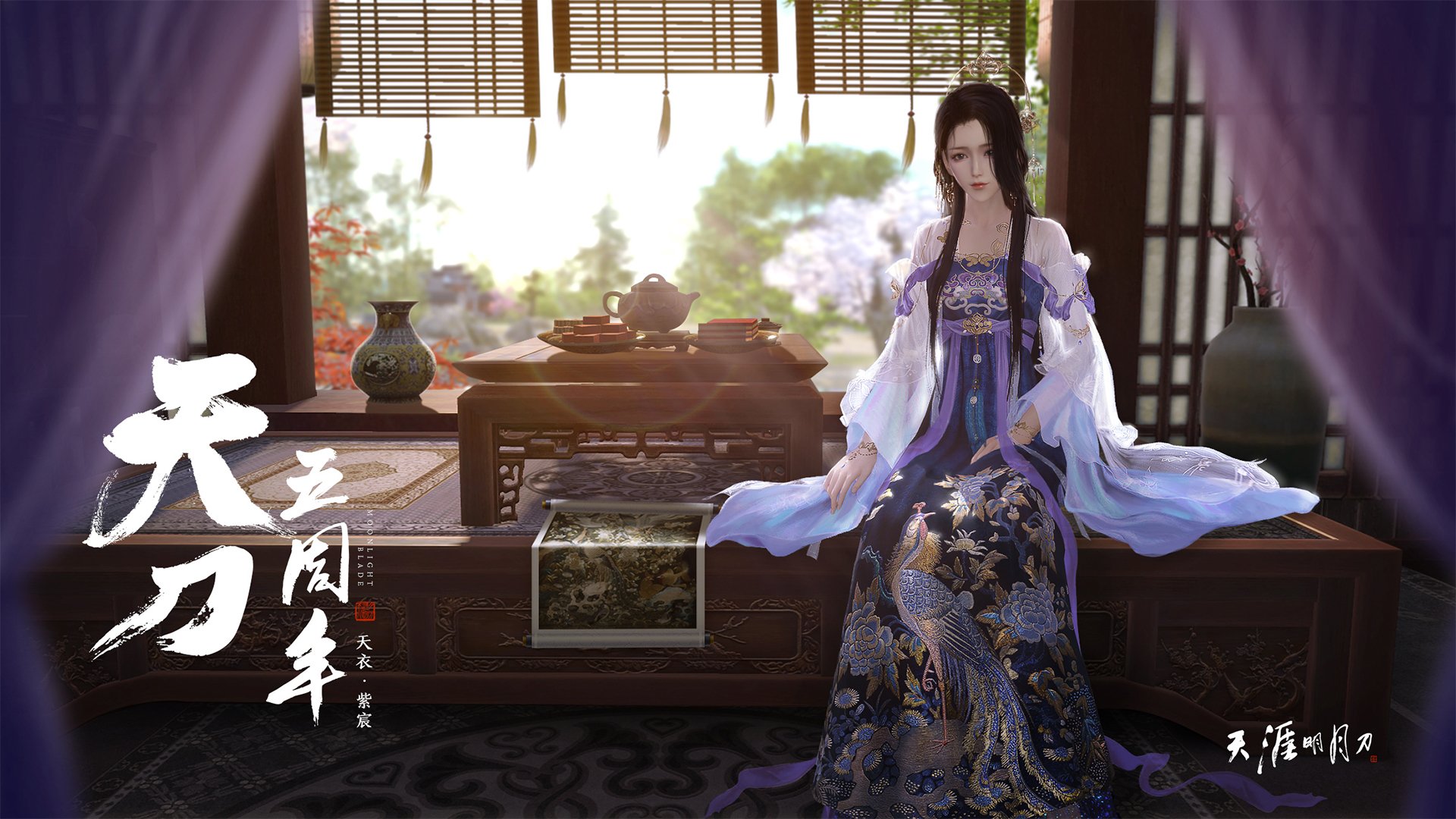
4. This poem uses metaphor rhetoric throughout. The poet uses spring outing and his feeling of the vitality of spring to explain one truth: by studying Confucian classics and understanding the true meaning of Confucian learning, you can appreciate the boundless vitality. There is one truth and several interpretations. The poet adopts a spring breeze and rain approach. He is really an excellent educator.
5."Spring Day" literally describes the feeling of traveling in spring, but the place where you look for fragrance is on the coast of Surabaya, which was occupied by the Jin people during the Southern Crossing in the Song Dynasty. The poet compares the Tao of the sage to the spring breeze that stimulates vitality and ignites all things. In fact, it is a philosophical poem that expresses the poet's beautiful wish to pursue the path of a saint in troubled times. The seven-character quatrain "Spring Day" was written by Zhu Xi in the Song Dynasty. The original text is as follows: Looking for fragrance on the Surabaya Waterfront on the winning day, the boundless scenery is suddenly new.


Complete Game Information:1、Original God's full character Englis...

Complete Game Information:1、Is there a difference between the or...
Complete Game Information:1、What is God's name in English? 2、Is...

Complete Game Information:1、English introduction to famous sceni...

Complete Game Information:1、Where will the original God's screen...

Complete Game Information:1、|From now on, get rid of the sufferi...
Complete Game Information:1、Where are the original God computer...

Complete Game Information:1、Thoughts on watching Disney's "Cinde...
发表评论